Therapy Intensives
A more concentrated container for in-depth therapy.
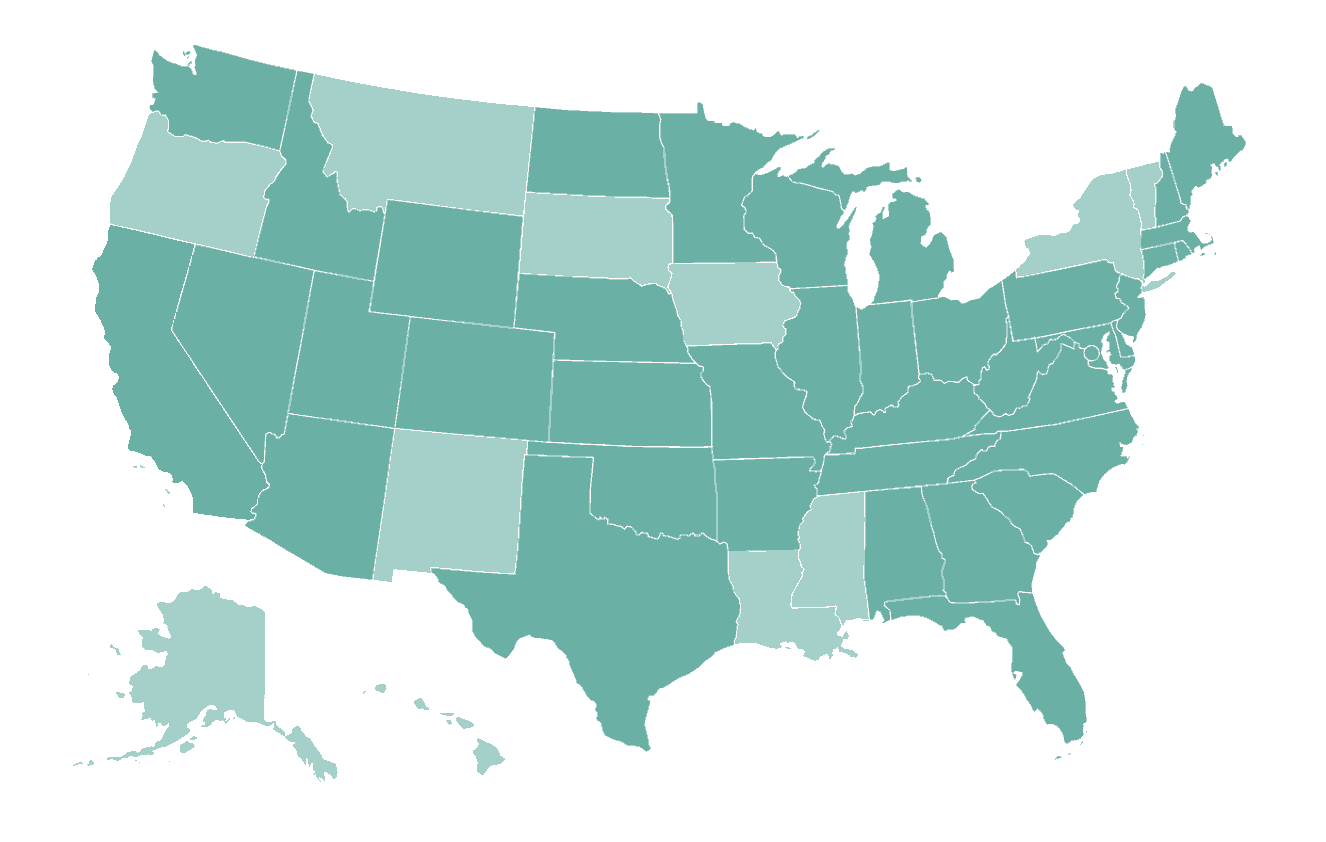
Online therapy intensives for physicians, executives, finance & investment professionals, entrepreneurs, and high-achieving professionals in California, Texas, Virginia, and 40+ PSYPACT states.
Some things can’t be fully worked through in the margins of a crowded week.
When you're already at the helm of so much—patients, companies, teams, families, decisions—a standard therapy session may not always leave enough room to settle in, move past the surface-level updates, and get to what's actually happening underneath.
Therapy intensives at Helm Psychology offer more time for the same careful, depth-oriented work: more room to think, feel, and stay with what has been accumulating beneath the surface.
A therapy intensive is not a shortcut around depth work. It's a larger container for it.

When Something Needs More Room Than A Weekly Psychodynamic Therapy Session Can Hold
You may not be in crisis. But something has been asking for your attention, and it keeps not getting it.
Sometimes it's obvious what that “something” is. A decision you can't keep deferring. A transition that's arrived, whether you're ready for it or not. A pressure point at work or at home that can’t be managed around the edges.
Other times, there's no event to point to at all—you just know that you can't keep relating to your life this way anymore.
Or maybe it's subtler than that. You keep brushing up against something important—in the car after a long day, at 2am when the house finally goes quiet, in the last ten minutes of a therapy session—and there's just never enough time to stay with it. The thought starts to open, then boom, the session ends, the pager goes off, the next meeting starts. Whatever it was, it slips back under the surface.
And for some people, the obstacle is simple: your schedule. Call shifts, board cycles, travel, you name it. A standing weekly appointment hasn’t been realistic in the life you actually live, and somewhere along the way, that became the reason to not begin therapy at all.
But wanting therapy to fit the actual shape of your life isn't avoidance.
These are the moments that intensive therapy is built for: enough room to slow down and stay with what's emerging, past the point where it usually gets cut off.












What is a Therapy Intensive?

A therapy intensive provides an extended, depth-oriented therapy session—somewhere between two to four hours—that goes beyond the standard 50-60 minute weekly format.
Instead of meeting for an hour at a time, we work in longer, protected blocks of time, with brief breaks as needed.
The work itself is the same work we do in ongoing weekly psychodynamic therapy: depth-oriented and relational. What changes is the container.
Anyone who has been in therapy knows the experience of something finally starting to open at minute forty. In a standard session, that's often when the work has to stop for the moment. An intensive removes that wall.
There's room to settle in, follow a thread where it may want to keep going, sit with what's uncomfortable instead of having to table it until next week, and really stay with what emerges past the point where it would usually get cut off.
To be clear, a therapy intensive is not crisis care, and it isn't a quick fix. We don't promise breakthroughs on a schedule, and intensive therapy doesn't compress months of work into an afternoon. If anything, an intensive is the opposite of a quick fix—it's what depth work looks and feels like when it's given more room.
Two Ways to Work Intensively
Intensive therapy at Helm Psychology comes in two formats that share the same depth-oriented foundation: a monthly intensive rhythm for ongoing work, or a focused intensive for a particular issue, transition, or moment in life that needs more room.
Monthly Intensive Therapy
Deeper sessions, less often
For many clients, weekly therapy is the right rhythm. For others, longer sessions held less frequently may make more sense.
Monthly Intensive Therapy is for people who want ongoing depth-oriented therapy, but whose schedules, work demands, travel, call shifts, or life circumstances might make a standing weekly appointment difficult to sustain. Instead of meeting every week, we meet less often and for longer extended sessions on a monthly or twice-monthly rhythm, shaped around your schedule.
The longer format isn't just a scheduling workaround. With more room in each session, we have more time to settle in, go beyond surface-level updates, and get into what’s happening underneath it all.
For physicians with call schedules, executives whose calendars belong to everyone else, and founders who travel, this format can often be the difference between therapy that keeps getting rescheduled or deferred vs. therapy that can take root.
Focused Therapy Intensives
Concentrated time around something specific
Focused therapy intensives are longer sessions (or a short series of them) built around a specific area that deserves more time and attention. Sometimes it can be for something harder to name, and the intensive is where it starts to take shape.
This could be a decision you have been avoiding, a transition you are trying to metabolize, a relationship pattern that keeps repeating, a professional pressure point, a period of burnout, or something in ongoing therapy that keeps almost coming into focus but never quite has enough room.
A focused therapy intensive may be useful at the beginning of therapy, when you want a more substantial start; in the middle of ongoing therapy, when the work is approaching something important; after a major life, work, or relational event, when you need a concentrated place to return to the work; or after time away from therapy, when something significant needs attention again.
Focused intensive therapy can also pair naturally with weekly therapy—many people move into ongoing therapy afterward with a running start. The purpose is not to resolve everything in one sitting. Rather, we’re aiming to create enough time to stay with what matters, instead of cutting it short.
Not sure which fits? That's what the consult call is for. There's no right or wrong option here: just different containers for different situations.
Who Are Therapy Intensives For?
Most of the people who come to Helm Psychology are physicians, executives, entrepreneurs, founders and business owners, attorneys/lawyers, and finance and investment professionals.
But the question of whether a therapy intensive is the right fit for you has less to do with your professional title than with what you’re actually needing right now.
A therapy intensive may be a fit if you are:
Beginning therapy and wanting a more substantial start.
Rather than getting into therapy one hour at a time, an intensive can offer a jumpstart to therapy for you to begin the work with traction.
In ongoing therapy, and circling something that needs more room.
You keep approaching something important in your weekly sessions, but the weekly hour format isn’t quite holding it. An intensive gives that material the extended time it may be asking for. (And if you're working with a therapist elsewhere, we're glad to coordinate with them!)
Returning after time away.
You've done meaningful work in therapy before (be it here or elsewhere) and something significant has happened: a loss, a transition, a decision, a familiar pattern resurfacing. An intensive offers a concentrated place to return to therapy without committing to an ongoing rhythm first.
Living a life that doesn't hold a weekly appointment.
Call schedules, board cycles, travel, family demands. If logistics have been the reason that therapy keeps not happening, an intensive format may finally make the work sustainable for you.
Across all of these, the common thread is the same: needing more room than a standard weekly session can consistently provide.
What Intensive Therapy Can Help With
- Burnout and emotional exhaustion (including physician burnout, executive burnout, hedge fund burnout, private equity burnout, investment banking burnout, finance burnout, founder burnout, and attorney burnout)
- High-functioning anxiety and overthinking
- High-functioning depression, or feeling flat and empty despite outward success
- Perfectionism and relentless self-pressure
- Work stress and the weight of chronic pressure
- Career decisions, transitions, and crossroads
- Identity, meaning, and the sense that success isn't enough
- Relationship patterns and family strain
- Grief, loss, and major life change
- Over-responsibility and people-pleasing
- Imposter syndrome and self-doubt
- The lasting imprint of trauma and difficult past experiences
- Loneliness and disconnection, even amid success

What to Expect from Therapy Intensives at Helm Psychology
A therapy intensive with us is built around depth, not a strict protocol. We don't run you through a fixed curriculum or a set of exercises. The work unfolds much in the way that good therapy always does. But in a therapy intensive, it's just given more time to unfold and be stayed with for longer.
In practice, that means we can slow down without watching the clock like a hawk. There's room to follow what comes up, notice what you tend to avoid, stay with a feeling long enough to move through it rather than simply manage it, and pay close attention to the deeper patterns underneath. Things like, how you got here, what keeps repeating, what moments of tension, discomfort, avoidance, frustration, or other experiences may actually be about, and so much more.
In a longer session, the therapist may be a little more active than in weekly work. Not in a directive or advice-giving way, but in staying with you as things open up, gently naming what's happening in the process between us, and helping keep the depth going. But the aim doesn’t change: helping steward you therapeutically towards your own insights, your own emotions, your own meaning-making, in your own time.
We can and do build in brief breaks as needed. Part of the process is noticing what you need in real time, whether that's pushing further into something important or meaningful, or needing to pause to let your system breathe, catch up, or integrate. A few hours is a meaningful stretch of emotional work, and we work on pacing things accordingly. And because a lot can open up in that time, a therapy intensive is often a beginning or a deepening rather than a self-contained event, so we'll talk together about what best supports the work afterward.
Our psychologists come to therapy intensive work already knowing the worlds that our clients move through—be it medicine, finance, law, consulting, startups, the particular pressures of high-responsibility professional life. You won't spend the first hour explaining your world before the real work can begin. That familiarity, along with real, rigorous therapeutic training and experience in depth-oriented, psychodynamic therapy, is what lets an intensive go where it needs to.
You Don’t Have To Wait For Life To Slow Down To Start Therapy
Most people living demanding lives tell themselves some version of the same thing: I’ll deal with all of this once things settle down. After this quarter. After that case resolves. After this service block ends, this funding round closes, the next hire is onboarded. Punting to the next goalpost that will inevitably keep moving.
But you already know how this goes. The quarter closes, and “surprise,” another one opens. The thing you were waiting to get past? It turns out to have something else right behind it. For a lot of people who are constantly navigating high stakes, life doesn't actually ever slow down. And waiting for it to slow down has become the reason (maybe even an excuse) that the deeper work keeps getting postponed.
A therapy intensive is a way to stop waiting to attune to yourself. Not to step away from everything you're responsible for, but to drop anchor for a few hours—to stop steering long enough that you can look at what you've been carrying, and what it's been costing you to carry it.
You don't have to clear your whole life to do this. You just need enough room, once, to begin.
FAQs about Therapy Intensives
-
It depends on which format. Monthly Intensive Therapy is designed as a form of ongoing therapy in its own right for people who want continuous depth work, but for whom a weekly session isn't workable or desirable. With Monthly Intensive Therapy, longer sessions on a monthly or twice-monthly rhythm can be the primary way we work together.
Focused intensive therapy is different. Focused Therapy Intensives are usually a concentrated adjunct to ongoing therapy rather than a replacement. A focused intensive can be a deeper starting point as you enter therapy, a focused piece of work within an ongoing therapeutic process, or a return around something specific. That ongoing therapy can be with us or with another therapist you're already seeing.
On the consult call, we'll figure out which fits what you're looking for.
-
An intensive isn't crisis care. If you're in an emergency, having thoughts of harming yourself, or in need of urgent psychiatric support, an intensive isn't the right setting. Intensives also aren't coaching, and they're not a way to fully resolve something complex in a single sitting. And if you're not sure whether an intensive fits your situation, reach out, and we can assess further, either prior to a consult call or during one if it makes sense.
-
Most intensive therapy you may have come across are built around a specific protocol: EMDR, brainspotting, or another structured method delivered in a condensed format. Our intensive therapy works differently. A therapy intensive at Helm Psychology is depth-oriented and psychodynamic, which means that there's no fixed procedure or script we're moving you through, other than the broad framework of relational psychodynamic therapy work itself. We follow what's actually surfacing for you, including the way past experiences and trauma can still shape your present, but we get there through open, relational exploration rather than one specific technique. If what you're specifically looking for is protocol-based EMDR or a structured trauma method, you may be better served by a therapist who provides those kinds of modalities.
-
Yes, in many cases, whether you're already working with us, have worked with us before, or are seeing another therapist entirely. If you're seeing someone else, some people come to us for a focused intensive around a specific issue while continuing their regular therapy elsewhere. When that's the case, we think it can be helpful (with your permission) to be in some communication with your current therapist, so the intensive supports the work you're already doing rather than cutting across it. Either way, it's something we can talk through on a consult call.
-
Yes. If we're already working together weekly, an intensive can give us a longer block to stay with something that keeps getting cut short by the end of the usual therapy session. Some clients also use an occasional intensive as a periodic deep-dive alongside their weekly work.
If we've worked together in the past, a focused therapy intensive can be a way to come back for a specific reason—be it a loss, a big decision, a transition, an old pattern showing up again—without necessarily restarting weekly therapy. There's an advantage to doing that work with someone who already knows your history: less time spent catching up, more spent on what actually brought you back. It's usually something we'd decide on together, depending on whether an intensive is the right tool for what's going on.
-
Most therapy intensives run somewhere between two and four hours, depending on the format and what you're working on. We take breaks when needed; a few hours is a lot of focused work, so we'll pause when it helps to stretch, get some water or snacks, or just let your head clear before going back in.
-
Yes. We offer intensive therapy virtually to clients across California, Texas, Virginia, and 40+ PSYPACT states. For a longer session, meeting online has some real advantages: no commute on either end of a multi-hour block, and you can be somewhere private and comfortable, in your own space. We'll also go over anything worth having set up on your end before the intensive itself.
-
Intensive therapy is a premium, private-pay service, priced to reflect the extended, dedicated time that it involves. We'll go over specific pricing prior to and during the consult call, once we know which format fits what you're looking for.
-
Intensive therapy is a private-pay service. Because the intensive format falls outside the standard session structure that insurance is built around, it often isn't something insurance reimburses, though it can depend on your plan. If you have questions about your particular situation, we're glad to help you figure out how to look into things.
Not sure whether a therapy intensive is the right fit? Reach out and we'll figure it out together.
Online Therapy in California, Texas, Virginia, and 40+ States
Helm Psychology is able to see clients based in California, Texas, Virginia, and 40+ other states across the U.S.